What to Ask a Glazier Before Installing New Windows in Your Home
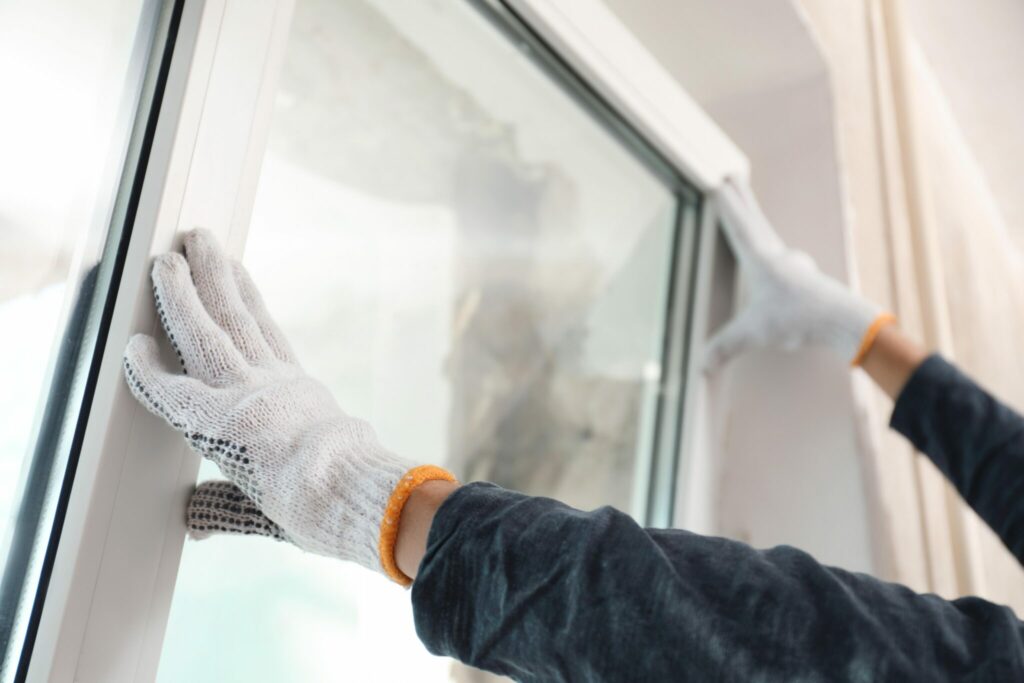
Installing new windows is an important decision for any homeowner. Understanding what to ask a glazier before installing new windows in your home can help with choosing the right glass, glazing system, window frames and installation method.
Windows can affect much more than appearance. Their design and performance can influence natural light, indoor comfort, energy efficiency, ventilation, noise and the connection between indoor and outdoor areas. These factors are particularly important when planning a custom home, renovation or extension.
Choosing the Right Glass and Glazing for Residential Windows
A glazier can explain how different types of residential glass perform and which options may suit a particular property. Common choices include single glazing, double glazing, toughened glass, laminated glass, Low-E glass, tinted glass and acoustic glazing.
The best option depends on factors such as window orientation, sunlight exposure, room location, safety requirements and energy performance.
Is Double Glazing Suitable for New Home Construction?
Double glazing uses two panes of glass with an insulating space between them. It can help reduce heat transfer and improve thermal comfort compared with standard single glazing.
For a new home, double glazing should be considered alongside insulation, shading, ventilation and the overall design of the building. The frame and installation also contribute to the final performance.
Asking a Glazier About Safety Glass and Australian Requirements
Safety glazing is an important consideration for residential windows and glass doors. Certain locations may require safety glass because of the risk of human impact.
A professional glazier can advise whether toughened or laminated glass is suitable for particular applications. The National Construction Code and relevant Australian Standards should also be considered when specifying residential glazing.
Requirements can vary depending on the property and application, so compliance should be confirmed before installation.
Comparing Window Frames and Glazing Systems
The glass is only one part of a complete window. Frame materials such as aluminium, timber, uPVC and composite systems can offer different benefits in terms of durability, appearance, maintenance and thermal performance.
Aluminium windows remain popular in Australian homes because they are durable and available in a wide range of finishes. However, homeowners should compare the complete window system rather than focusing only on the frame.
Glass, frame design, seals and installation all contribute to overall performance.
How Energy-Efficient Windows Affect Home Comfort
Energy-efficient windows can help manage unwanted heat transfer and improve indoor comfort. When discussing window performance, homeowners can ask about U-values, solar heat gain, visible light transmission and applicable energy ratings.
Choosing Glazing for Solar Exposure and Window Orientation
Window orientation can affect the most suitable glazing specification. Windows exposed to strong sunlight may need different performance characteristics from windows located in shaded areas.
For Australian homes, glazing can be planned alongside insulation, shading and ventilation to support a more energy-efficient building design.
Can Acoustic Glazing Reduce Outside Noise?
Acoustic glazing may be worth considering for homes near busy roads, commercial areas or other sources of external noise.
Laminated glass, glass thickness and double-glazed configurations can influence sound transmission. However, the frame, seals, walls and installation also affect acoustic performance.
A glazier can explain the expected performance of the proposed window system and whether specialist acoustic glazing is appropriate.
Selecting Windows and Glass Doors for Custom Home Design
Window selection affects natural light, ventilation, privacy, views and the relationship between living areas and outdoor spaces.
Awning, casement, sliding, double-hung and fixed windows offer different functional benefits. Larger systems such as sliding glass doors and bi-fold windows can create wider connections between indoor and outdoor areas.
For custom homes, window placement and glazing should be considered alongside the floor plan, architecture and intended use of each room.
Asking a Glazier About Window Installation and Weatherproofing
The quality of window installation can have a major effect on performance. Proper fixing, sealing, flashing and weatherproofing are important for protecting windows from water and air infiltration.
Before installation, homeowners should ask how openings will be prepared, how the frames will be secured and how the surrounding areas will be sealed.
For new construction and major renovations, window installation should also be coordinated with structural and building requirements.
Glass Repair or Window Glass Replacement: Which Is Better?
Damaged windows do not always require complete replacement. Depending on the condition of the glass and frame, glass repair or window glass replacement may be suitable.
Cracked glass, failed glazing or damaged seals should be assessed before deciding on the appropriate solution. If an older window also has deteriorated frames or poor energy performance, complete window replacement may provide better long-term performance.
Understanding Council Approval and Window Compliance
New windows and replacement windows can involve different planning and building requirements. Heritage properties, extensions and significant renovations may be subject to additional controls.
Homeowners should determine whether council approval, building approval or heritage approval is required before work begins. Requirements vary between Australian states, territories and local councils.
For new custom homes, window and glazing requirements can be incorporated into the broader planning and construction process.
Comparing Window Installation Costs and Glazing Specifications
The cost of new windows depends on factors including glass type, window size, frame material, hardware, glazing performance and installation requirements.
Replacement projects may also involve removing existing windows, modifying openings and completing finishing work.
When comparing quotations, homeowners should look beyond the initial price. Glass specifications, energy performance, installation methods, warranties and the complete project scope should all be considered.
Checking Glazier Warranties and Window Maintenance
Before purchasing new windows, it is useful to understand what warranty applies to the glass, frames, hardware and installation.
Maintenance requirements should also be considered. Cleaning the glass, checking seals, inspecting drainage and maintaining hardware can help preserve window performance.
Warranty documents and product specifications should be retained for future maintenance or replacement requirements.
When Should a Glazier Be Involved in Custom Home Construction?
A glazier can be consulted during the planning and design stage, particularly when a project includes large windows, glass doors, double glazing or specialist glass.
Early decisions can affect structural openings, natural light, energy efficiency, privacy and outdoor living areas. Addressing glazing requirements before construction begins can help reduce changes later in the project.
The same approach can benefit major renovations and extensions where new windows need to integrate with the existing structure.
Questions to Ask a Glazier Before Ordering New Windows
Before selecting a window system, homeowners should ask about the recommended glass type, double glazing, safety glazing, energy performance and installation requirements.
Other useful questions cover acoustic performance, window frames, weatherproofing, council requirements, warranties, maintenance and the total installation cost.
The objective is to select a window system based on suitability and long-term performance rather than price or appearance alone.
Hiring a Professional Glazier for New Windows and Glass Installation
A professional glazier can provide specialist information about glass selection, glazing systems, safety glass, window installation and replacement options.
For custom homes, renovations and extensions, this advice can be coordinated with the broader construction and design process, helping windows support the property’s comfort, energy efficiency, appearance and functionality.
Contact a Professional Glazier About New Window and Glazing Requirements
Professional glazing advice can help clarify the most suitable glass, window system and installation approach for a residential project. For homeowners planning a new home, renovation or extension, contact a professional glazier to discuss window and glazing requirements before installation begins.