What Businesses Should Consider When Planning Commercial Glazing in Perth
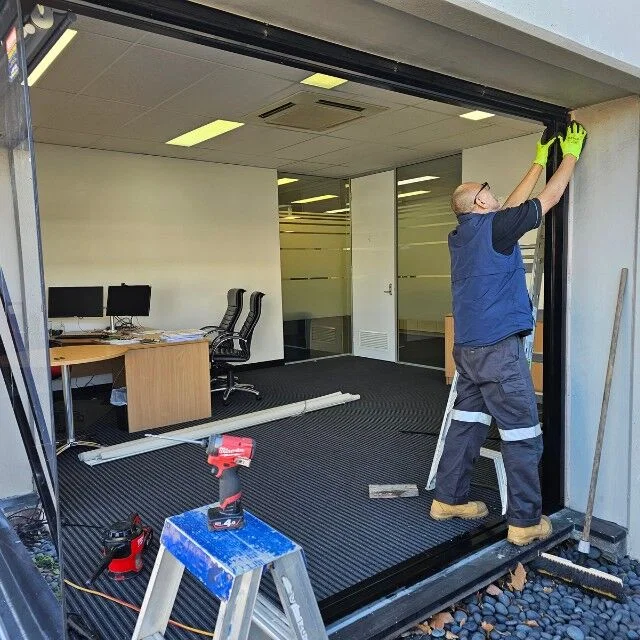
Commercial glazing can affect the appearance, safety, security, comfort and energy performance of a business property. Windows, doors, shopfronts and internal glass systems should be selected according to the building, its location and how each space will be used.
For Perth businesses, strong sunlight, high summer temperatures and UV exposure make thermal performance and solar control particularly relevant. Good planning helps businesses choose suitable glass, frames and hardware before installation begins.
Assessing Commercial Glazing Requirements
The first step is to identify where glazing is required and what each area needs to achieve. Retail shops may prioritise visibility and customer access, while offices may require natural light, privacy and acoustic performance.
Existing Openings and Structure
Existing windows, doors and shopfront openings should be checked for dimensions, alignment and structural condition. Older buildings may require preparation before new glazing is installed.
Large glass panels also need suitable support, making an early site assessment important.
Planning for Different Spaces
Retail, office and hospitality properties have different glazing requirements. High-traffic areas generally need durable glass and hardware, while customer-facing areas may place greater importance on appearance and visibility.
Choosing the Right Commercial Glass
Glass should be selected according to its location, size, exposure and intended use rather than appearance alone.
Toughened Safety Glass
Toughened safety glass is commonly used where increased strength and safety are required. If broken, it is designed to fracture into smaller pieces rather than large sharp shards.
Laminated Commercial Glass
Laminated glass consists of bonded glass layers with an interlayer. The interlayer can help hold broken glass together and may also provide additional security or acoustic benefits, depending on the specification.
Double Glazed Commercial Glass
Double glazing uses two panes separated by an insulating space. It can reduce heat transfer and improve indoor comfort, making it worth considering for suitable Perth commercial properties.
Low-E and Solar Control Glass
Low-E glass can help control heat transfer, while solar control glazing can reduce solar heat and glare. These options can be useful for large windows and shopfronts exposed to Perth’s strong sunlight.
Commercial Windows and Glass Doors
Windows and doors should be considered as part of the property’s complete glazing system.
Energy-Efficient Commercial Windows
Commercial windows affect natural light, ventilation, heat transfer and indoor comfort. Glass, frames and seals all contribute to the overall performance of the system.
Glass Entry Doors
Commercial glass entry doors need to balance appearance, safety, security and durability. Busy entrances may require robust locks, handles, closers and hinges designed for frequent use.
Large Glass Openings
Large glazed areas can increase natural light and create an open appearance. However, they can also increase solar exposure and require careful consideration of glass thickness, framing and structural support.
Shopfront Glazing for Perth Businesses
Shopfront glazing is often one of the most visible elements of a retail property.
Modern Glass Shopfronts
Glass shopfronts can improve product visibility and create an open customer-facing environment. Businesses should also consider security, glare, heat exposure and privacy.
Framed and Frameless Systems
Framed shopfronts use aluminium sections to support the glass, while frameless systems can create a cleaner appearance. The choice depends on the building design, glass specification and structural requirements.
Visibility and Natural Light
Shopfront glazing should provide clear visibility without creating excessive glare or heat. Glass selection, orientation and external shading can influence the internal environment.
Commercial Frames and Hardware
The frame and hardware are essential parts of a commercial glazing system.
Aluminium Commercial Framing
Aluminium is widely used for commercial windows, doors and shopfronts because it provides strength, durability and design flexibility. Thermally improved framing can also help reduce heat transfer.
Commercial Door Hardware
Locks, handles, closers and hinges should match the expected level of traffic and security. Electronic access control may also be required for controlled commercial entrances.
Seals and Fittings
Seals, tracks and fittings affect operation and weather resistance. They should be checked during installation and regular maintenance.
Safety and Security Considerations
Safety and security should be included in the glazing design from the beginning.
Commercial Safety Glass
The appropriate safety glazing depends on factors such as location, size and potential exposure to human impact. Areas near entrances and walkways require particular attention.
Security Glass and Access Control
Shopfronts, entrances and accessible windows may need additional security. Laminated or specialised security glazing can be combined with suitable locks, alarms and access-control systems.
Glass Visibility
Large transparent panels can be difficult to see in busy environments. Suitable visual markings can help make glass more noticeable and reduce accidental impacts.
Energy-Efficient Glazing for Perth
Energy performance is particularly relevant to Perth businesses where cooling systems may operate for long periods.
Managing Perth Heat Gain
Large glazed areas exposed to direct sunlight can increase internal temperatures. Solar control glass, Low-E coatings, suitable frames and external shading can help manage unwanted heat gain.
Thermal and Acoustic Performance
Energy-efficient glazing can contribute to a more stable indoor environment. Acoustic glazing may also be considered where traffic, machinery or surrounding activity creates unwanted noise.
Office Glazing and Glass Partitions
Office glazing can include external windows as well as internal glass systems.
Glass Partitions and Meeting Rooms
Internal glass partitions can divide workspaces while allowing natural light to pass through the building. Frosted or privacy glass can provide greater visual separation where required.
Acoustic Considerations
Meeting rooms and private offices may require additional sound control. Laminated or specialised acoustic glazing can contribute to noise reduction when used as part of a suitable partition system.
Professional Commercial Glass Installation
Correct installation is essential for achieving the expected performance and service life of commercial glazing.
Accurate Measurements
Measurements should account for opening dimensions, clearances, frame requirements and surrounding structures. Accurate measurements help reduce fitting problems and delays.
Structural and Weather Requirements
Large glass panels and commercial doors require suitable support and fixing systems. External glazing also needs appropriate seals to help protect against wind and water exposure.
Installation Quality
Correct alignment is important for windows, doors and shopfront systems. Poor installation can affect operation, weather resistance and long-term performance.
Custom Commercial Glazing Solutions
Commercial properties often have different dimensions and architectural requirements.
Bespoke Glass Sizes
Custom glass can be suitable for large windows, shopfronts, internal partitions and non-standard openings. Dimensions should be confirmed carefully before manufacturing.
Specialised Glazing Systems
Some projects may require acoustic glass, solar-control glazing, specialised framing or access-control doors. These requirements should be identified during planning.
Commercial Glass Repair and Replacement
Existing glazing should be assessed before deciding on complete replacement.
Damaged Glass and Hardware
Cracked glass, damaged frames, worn seals and faulty hardware can affect safety and operation. Some problems may only require repair or replacement of individual components.
Repair or Replacement
Full replacement may be appropriate when glazing is significantly damaged, outdated or no longer suitable for the building. The condition of the complete system should be considered.
Maintaining Commercial Glazing
Regular maintenance helps preserve appearance, safety and performance.
Cleaning and Inspection
Glass and frames should be cleaned appropriately, while tracks and drainage areas should remain clear of dirt and debris.
Checking Hardware and Seals
Locks, handles, hinges, rollers, closers and seals should be inspected periodically. Addressing worn components early can help prevent larger problems.
Planning Commercial Glazing Costs
Commercial glazing costs depend on the complete system rather than the glass alone.
Glass, Frames and Hardware
Glass type, dimensions, frame material, hardware, energy requirements and customisation can all affect the budget. Specialised products may have higher upfront costs.
Installation Requirements
Businesses should also consider site preparation, removal of existing glazing, structural work, access and installation complexity. A detailed assessment can clarify project requirements before materials are ordered.
Plan Your Commercial Glazing Project With Select Glass
Choosing the right glass, framing system and installation method can help ensure a commercial glazing project meets the property’s practical and performance requirements.
Select Glass can assist with professional assessment, accurate measurements, glass selection and installation for commercial properties. Explore commercial glazing in Perth to discuss your project requirements and suitable glazing options.