Glass Cut to Size in Newcastle: How to Get the Right Fit for Your Custom Glass Project
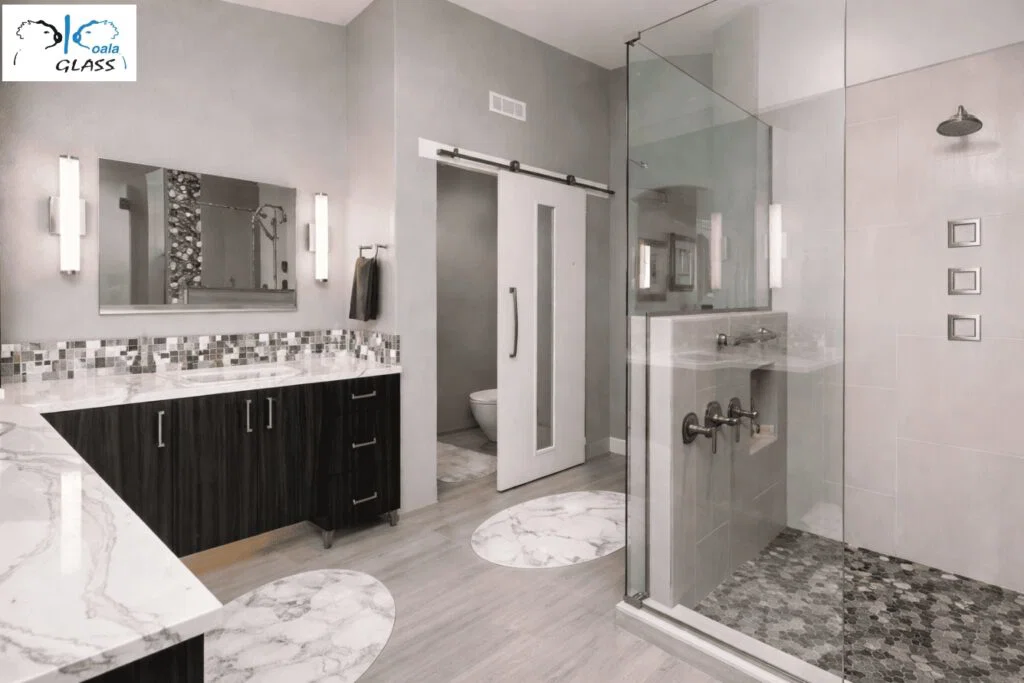
Custom glass is used across homes, renovations, building projects and commercial properties where standard glass sizes are not suitable. Made-to-measure glass can be fabricated for windows, doors, shower screens, splashbacks, mirrors, tabletops and larger commercial glass panels.
The finished result depends on more than choosing a piece of glass that looks right. Accurate measurements, suitable thickness, glass type, shape, edge finishing and fabrication details all need to be considered before production. For Newcastle properties, local exposure to salt air, humidity and strong sunlight can also influence the most suitable glazing solution.
What Does Glass Cut to Size Mean?
Glass cut to size is glass manufactured to specific dimensions for a particular opening, structure or application. Custom cut glass can be produced in different sizes, shapes, thicknesses and finishes, depending on how it will be used.
Made-to-measure glass is particularly useful when replacing broken panes, fitting unusual openings or creating custom glass panels. Residential and commercial projects may require completely different specifications, so the intended use should be established before fabrication.
Getting Accurate Glass Measurements
Correct measurements are one of the most important parts of ordering custom glass. Glass that is too large may not fit the opening, while a panel that is too small can leave unwanted gaps or create installation problems.
Measure the opening at multiple points rather than taking a single measurement. Width and height can vary, particularly in older homes or structures that have shifted over time. The existing frame should also be checked for damage, movement, distortion and suitable support.
Glass thickness needs to be confirmed separately from the overall panel size. The correct thickness can depend on the dimensions, location, support, exposure and application. If replacing an existing pane, do not assume the new glass should simply match its appearance. The existing specification should be assessed.
For unusual shapes, a template can be useful. Curved sections, angled corners, notches and complex openings can be difficult to describe with measurements alone. A properly prepared template can provide the fabricator with a clearer representation of the required shape and orientation.
Choosing the Right Glass for Your Project
Glass selection should reflect the location and purpose of the panel. Different glass products provide different levels of privacy, safety, solar control and performance.
Clear glass is commonly chosen where visibility and natural light are priorities. Frosted glass provides privacy while still allowing light through, while tinted glass can reduce glare and alter the amount of sunlight entering a room.
Toughened glass and laminated glass are commonly used where safety is a key consideration. Toughened glass is processed to increase its strength and, when broken, generally breaks into smaller fragments. Laminated glass uses an interlayer that helps hold broken pieces together. The appropriate safety glazing depends on the application and relevant requirements.
Low-E and solar-control glass can be considered for areas exposed to significant sunlight. These products may help manage heat gain and glare while maintaining useful levels of natural light.
Thickness should be selected according to the application rather than simply choosing the thickest available option. Panel size, support, wind exposure, impact risk and installation method can all influence the specification.
Custom Glass Shapes and Fabrication
A cut-to-size order may involve more than straight cuts. Fabrication requirements should be confirmed before the glass is produced because some features cannot be added afterwards.
These may include:
- Irregular shapes and angled corners
- Polished glass edges
- Drilled holes
- Notches and cut-outs
- Holes for handles or hardware
- Openings for fittings and fixtures
- Specific edge treatments
The position of drilled holes and cut-outs needs to be accurate, particularly for shower screens, glass doors, splashbacks and panels fitted around existing fixtures. Hardware dimensions and mounting positions should be confirmed at the same time.
Where Cut-to-Size Glass Is Commonly Used
Custom glass has a wide range of residential and commercial applications. Common examples include:
- Custom window glass and replacement window glass
- Glass doors and fixed side panels
- Shower screens
- Kitchen and bathroom splashbacks
- Mirrors and decorative panels
- Glass tabletops and furniture
- Commercial glass partitions
- Shopfronts and office glazing
The specification can change considerably between applications. A decorative mirror, for example, has different requirements from a large glass door or commercial partition.
Choosing Glass for Newcastle Properties
Newcastle’s coastal environment can create additional considerations for glazing. Properties close to the coast may experience salt exposure, humidity and airborne moisture, while exposed windows and doors can receive strong sunlight throughout the year.
Salt air does not normally damage the glass itself, but it can affect surrounding aluminium frames, fixings, seals and hardware over time. Regular cleaning and suitable material selection can help maintain the overall glazing system.
Sun-facing windows and large glazed areas may also experience considerable solar heat gain and glare. Tinted, Low-E or solar-control glazing may be suitable for some applications where reducing heat and glare is a priority.
The property’s location should therefore be considered alongside the type of glass. Residential glazing, commercial glass, shopfronts and large panels may each require different combinations of glass, framing, seals and hardware.
Replacement Glass or Full Replacement?
A damaged pane does not always mean the entire window or door needs replacing. Where the existing frame remains sound and suitable, custom replacement glass may provide a practical alternative.
Before ordering replacement glass, inspect the frame, seals, hardware and drainage where applicable. A damaged or distorted frame may need attention as well. Replacing only the glass will not solve problems caused by structural movement, failing hardware or an unsuitable frame.
For homeowners and property managers, an assessment of the existing installation can help determine whether glass replacement is appropriate or whether a complete replacement would be more suitable.
Professional Glass Measurement and Installation
Some straightforward glass projects may be suitable for experienced tradespeople who can provide precise measurements. More complex work can benefit from professional measurement and installation, particularly where safety glazing or specialised fabrication is involved.
Professional glazing can be particularly useful for:
- Large or heavy glass panels
- Irregular openings
- Glass doors
- Shower screens
- Commercial glazing
- Difficult access
- Specialised hardware
- Safety glass installations
Accurate site measurements also allow installation conditions to be considered before fabrication. This can reduce the risk of ordering glass that is technically the correct size but unsuitable for the actual installation.
What Affects the Cost of Custom Glass?
The cost of cut-to-size glass depends on the complete specification rather than dimensions alone. Factors can include:
- Glass size and thickness
- Glass type and safety requirements
- Shape and complexity
- Edge finishing
- Drilled holes and cut-outs
- Hardware and fittings
- Installation
- Removal of existing glass
- Site access and installation conditions
A simple rectangular clear glass panel will generally involve fewer fabrication requirements than a shaped safety-glass panel with polished edges, drilled holes and specialist installation.
Checking Your Glass Order Before Fabrication
Before approving a custom glass order, check the complete specification. Confirm:
- Width and height
- Glass thickness
- Glass type and safety requirements
- Panel shape and orientation
- Edge finish
- Holes, notches and cut-outs
- Hardware positions
- Installation requirements
For replacement projects, also confirm that the existing frame is suitable. For coastal or highly exposed properties, consider whether the glazing system, seals and hardware are appropriate for the environment.
Getting the Right Fit for Your Custom Glass Project
Accurate measurements and a clear specification are the foundation of successful custom glazing. Choosing the right glass for the application, confirming fabrication details and considering Newcastle’s coastal and climatic conditions can help prevent delays, installation problems and unnecessary replacement costs.
If you need assistance with measurements, glass selection, replacement glazing or a custom panel, Koala Glass can help assess the requirements of your project. For glass cut to size in Newcastle, professional advice can help ensure the finished product is specified for its intended use and installation conditions.
Contact Koala Glass to discuss your requirements and determine the appropriate custom glass solution for your property or project.