How Professional Tree Removal in Cranbourne Can Protect Your Property During Construction
Construction projects need careful site preparation before excavation, building work or landscaping begins. Existing trees can obstruct foundations, driveways and access routes. If overlooked, they may restrict machinery, damage retained vegetation or create safety concerns.
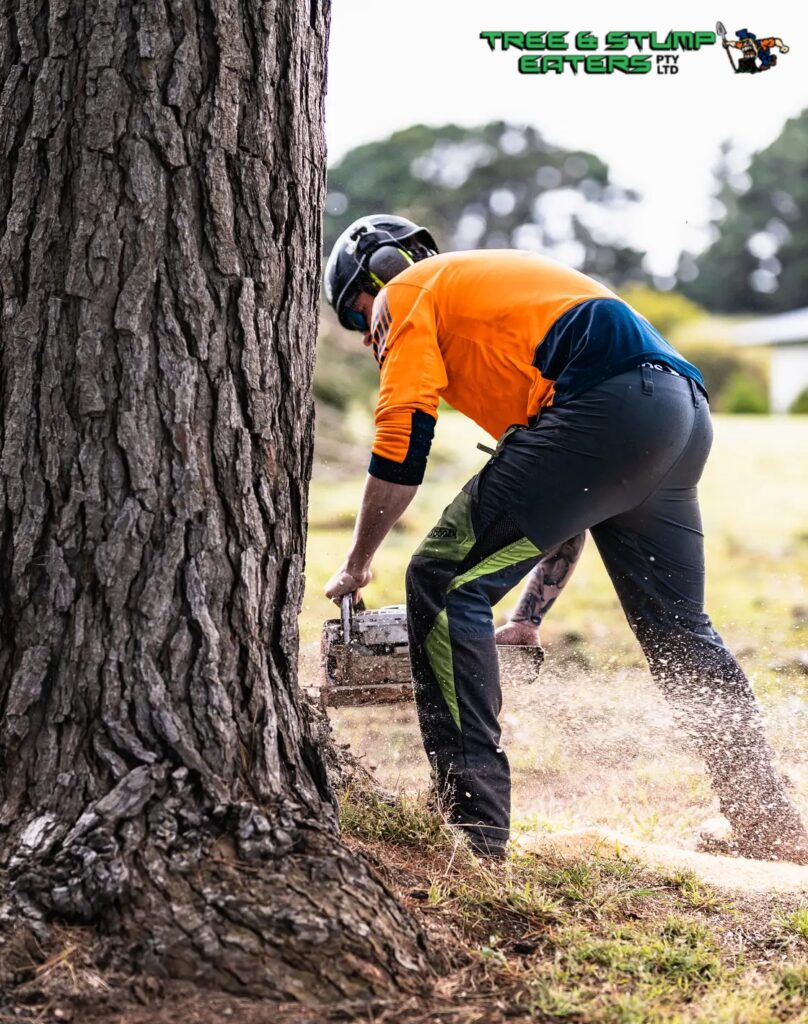
For property owners planning a development or renovation, professional tree removal services in Cranbourne can address potential conflicts before contractors and heavy machinery arrive. Comparing trees with building plans helps identify which should be removed, pruned or protected.
Identify Trees That Conflict With Building Plans
Compare existing vegetation with the proposed layout before work begins. A tree that appears harmless in a garden may become an obstacle during excavation or foundation installation.
Trees Within Building and Excavation Areas
Trees inside a proposed building footprint may occupy space needed for foundations, extensions or garages. Their roots may also extend into areas planned for trenches, drainage or underground services.
Removing a conflicting tree before excavation gives builders clearer access. However, some trees may be retained through design changes or suitable protection.
Branches That Restrict Machinery Access
Low or overhanging branches can obstruct excavators, cranes, trucks and delivery vehicles. They may also interfere with scaffolding or building materials.
A professional tree service can assess whether pruning provides enough clearance or complete removal is more appropriate. This avoids unnecessary clearing while improving site access.
Protect Existing Buildings During Tree Removal
Trees near houses, garages, fences and neighbouring buildings need careful handling. Available space and tree condition influence the removal method.
Controlled Removal in Restricted Spaces
A large tree cannot always be felled in one direction when buildings or fences are close by. A tree removal expert may recommend sectional dismantling, with branches and trunk sections removed in stages.
Rigging and controlled lowering techniques may help manage each section. The plan should account for nearby structures and access areas.
Dealing With Dead or Damaged Trees
Dead limbs, decay or a compromised trunk can create concerns around an active construction site. Workers may need to operate nearby while moving equipment or preparing foundations.
A professional assessment can determine whether pruning, further investigation or removal is appropriate. Addressing concerns early may reduce unexpected interruptions.
Manage Tree Roots Before Excavation
Roots can extend beyond the visible canopy, depending on species, soil and moisture. Excavation, trenching and soil compaction may damage them, while cutting major roots can affect the stability of a tree intended to remain.
Avoid Conflicts With Foundations and Services
Identify trees close to proposed foundations, drainage lines, water pipes and electrical services before digging. Where a tree is to remain, an arborist can advise whether its root zone needs protection or the building layout should be reviewed.
If a tree directly conflicts with the development and cannot reasonably be retained, planned removal may be more suitable than allowing construction to damage it. Locate underground services before stump grinding or excavation.
Choose Between Tree Removal and Pruning
Not every construction-related tree issue requires complete removal. The decision depends on the tree’s condition, location, required clearance and intended use of the area.
When Tree Pruning Is Enough
Selective pruning may resolve problems caused by branches extending over an access route or close to temporary structures. Removing specific limbs can create clearance while retaining the tree.
Pruning should follow appropriate arboricultural practices. Excessive or poorly positioned cuts can damage tree health.
When Complete Removal Is Necessary
Removal may be appropriate when a tree occupies the building footprint, conflicts with excavation or presents a significant safety concern. Restricted access and structural defects may also influence the decision.
A site assessment helps property owners understand their options before booking professional tree cutting. The aim is to remove only what is necessary while keeping the site workable.
Plan Stump Grinding and Green Waste Removal
Removing the trunk does not automatically leave the ground ready for construction. A stump may obstruct a driveway, pathway or excavation area.
Stump grinding reduces the stump below ground level. The required depth depends on the intended use: a garden bed may need different preparation from a driveway or foundation.
Grinding does not remove every root. Additional excavation may be needed where the building design requires deeper ground preparation. Discuss this with the builder and tree contractor before work begins.
Coordinate Tree Work With the Construction Schedule
Include tree removal in the initial site-preparation plan rather than leaving it until building work is underway.
- Review the plans: Mark trees that overlap structures, driveways and excavation areas.
- Arrange an assessment: Identify trees for removal, pruning or protection.
- Check approvals: Confirm whether permits or vegetation controls apply.
- Locate underground services: Check for pipes and cables before grinding or digging.
- Confirm access and clean-up: Discuss equipment positioning and green waste removal.
Coordinate timing with the builder so tree work is completed before machinery or materials restrict access. Clear instructions about retained trees can prevent accidental removal.
Check Tree Removal Requirements in Cranbourne
Cranbourne is within the City of Casey. Planning controls, vegetation overlays or development conditions may affect whether a permit is required.
A tree being inside a proposed building area does not automatically mean it can be removed without checking. Before booking work, review requirements with the City of Casey and check conditions attached to the development approval.
Obtaining necessary approvals before removal can prevent compliance issues and construction delays.
Contact Tree & Stump Eaters for Tree Removal in Cranbourne
Preparing a property for construction means considering trees, building plans, excavation, access and site safety together. Early planning makes it easier to arrange tree removal, pruning and stump grinding before building work begins.
Contact Tree & Stump Eaters for professional tree removal in Cranbourne and discuss your construction project.